By THRITON Editorial
Holiday trips mean many hours at speed, a car full of people and luggage, and often unfamiliar roads. A problem that is only annoying in city traffic can become dangerous at 120 km/h. A 30-minute check a week before you leave gives you time to fix anything that is found.
What you can check yourself
- 1. Tyre pressure, including the spare, set for a fully loaded car (see the sticker in the door frame).
- 2. Tyre tread and edges: look for uneven wear, cuts and bulges.
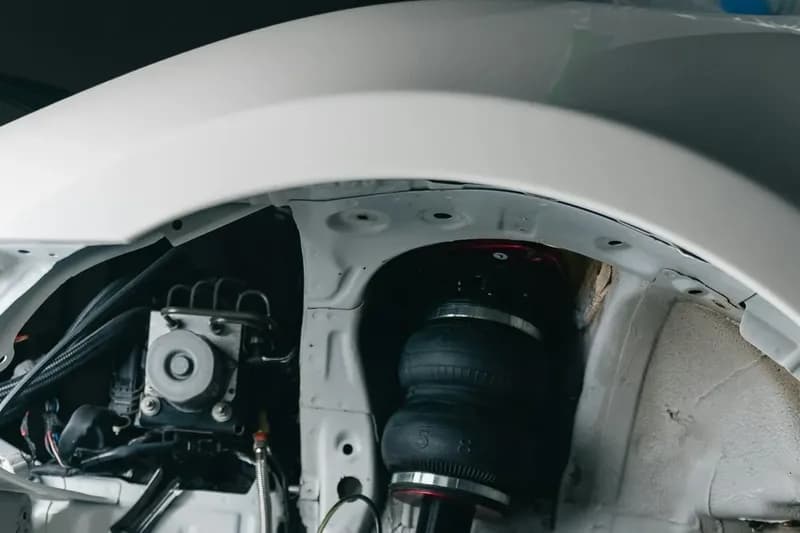
- 3. Bounce test: push down hard on each corner of the car. It should come up once and settle. More bouncing points to worn shock absorbers.
- 4. Ride height: park on level ground and check that the car does not sit lower on one corner.
- 5. Listen on a short drive over bumps and while turning slowly at full lock: clunks, creaks or grinding are warning signs.
What your mechanic should check
- 6. Control arms and their bushings: cracks, tears and play.
- 7. Ball joints and tie rod ends: play when the wheel is rocked, torn rubber boots.
- 8. Stabiliser links and their bushings, a common source of rattles.
- 9. Shock absorbers: oil leaks and damaged mounts.
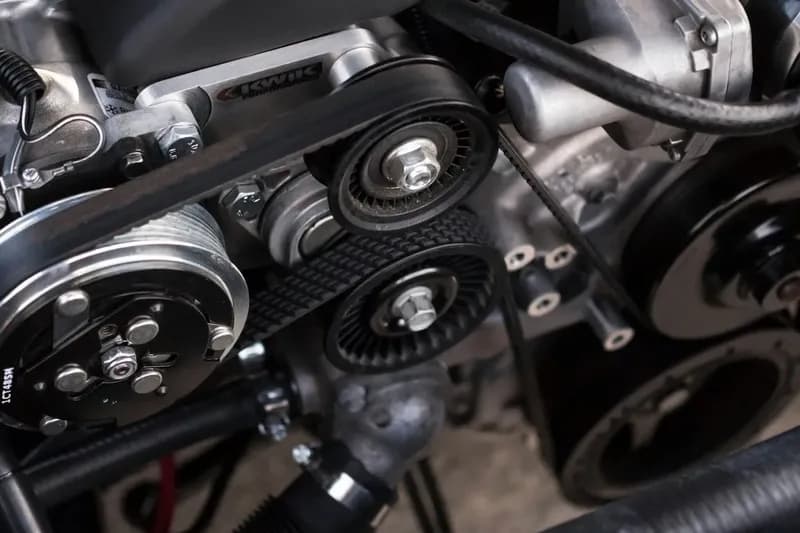
- 10. Engine mounts: cracked rubber or too much engine movement.
Do not forget the load
Every vehicle has a maximum load. Passengers, luggage and a roof box add up quickly, and an overloaded car brakes and steers worse while its springs, bushings and mounts work much harder. Put heavy items low and between the axles, and do not exceed the roof load given in the owner's manual.
Plan the repair in time
If a worn part is found, replace it before the trip, not after. Order parts early, especially for less common models, and have a wheel alignment done after any suspension repair. A well-prepared car is safer, more comfortable and uses less fuel on the road.