By THRITON Editorial
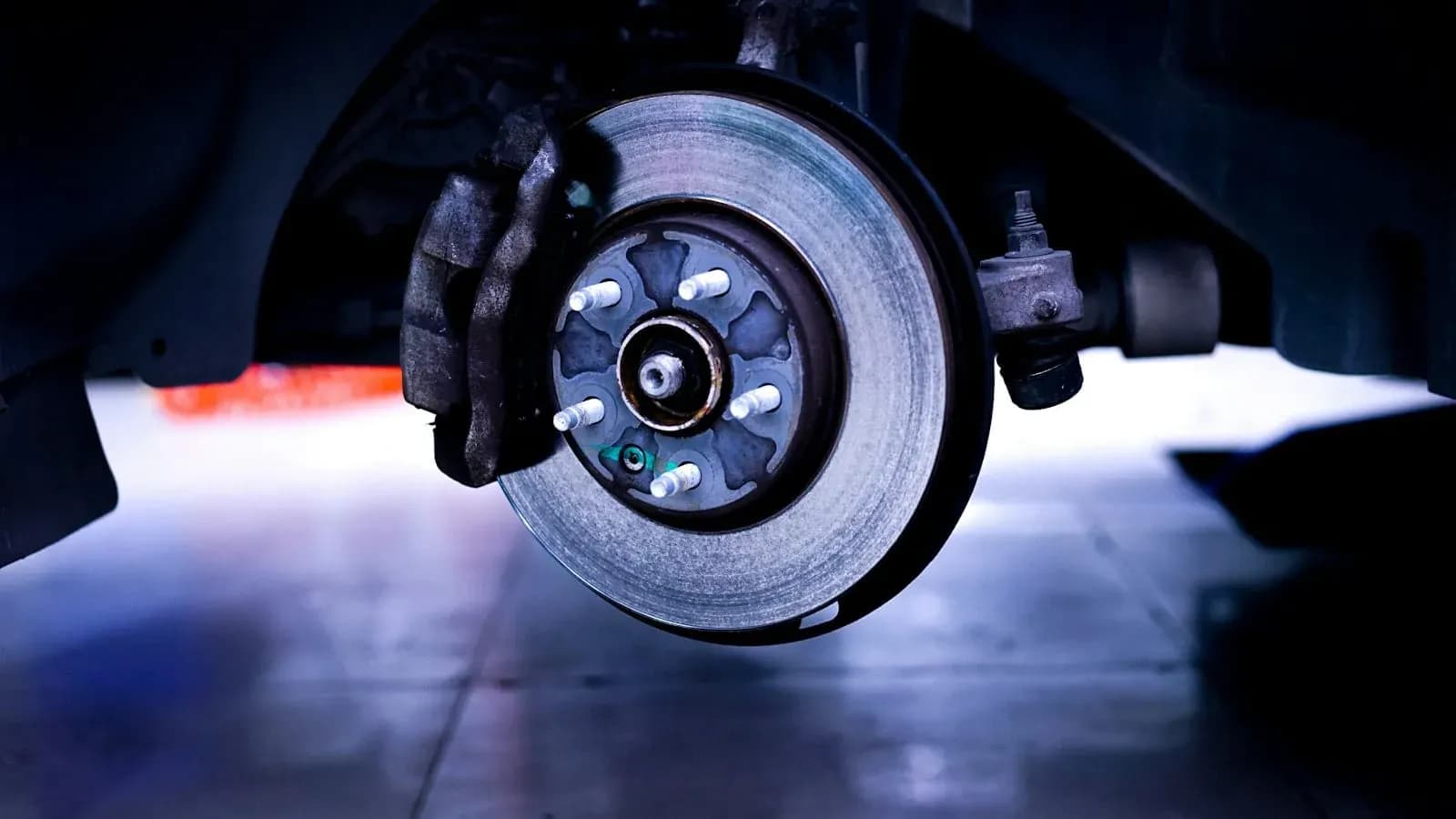
Wheel alignment is the adjustment of the angles at which your wheels meet the road. The car maker sets these angles precisely so the car drives straight, steers predictably and wears its tyres evenly. Every suspension part sits between the body and the wheel, so changing one can shift those angles.
The three angles
- Toe: whether the front of the wheels points slightly inward or outward, seen from above. Wrong toe is the biggest cause of fast tyre wear.
- Camber: whether the top of the wheel leans in or out, seen from the front. Wrong camber wears one edge of the tyre.
- Caster: the backward tilt of the steering axis, seen from the side. It helps the steering wheel return to centre and keeps the car stable at speed.
Which repairs need an alignment
Replacing control arms, tie rods or tie rod ends, struts, subframe parts or steering racks always calls for an alignment. Even a new part made exactly to the original dimensions sits in a slightly different position than the worn one it replaces, and tie rods are adjusted by hand during fitting.
What happens if you skip it
- Tyres wear out unevenly, sometimes within a few thousand kilometres.
- The car pulls to one side and the steering wheel is not straight.
- Fuel consumption rises because the tyres scrub against the road.
- The car feels less stable when braking hard or changing lanes at speed.
Doing it right
Have the alignment done on a modern machine after the car has been driven a short distance, so the new bushings have settled. Ask for the before-and-after printout: it shows every angle against the factory values. Make sure tyre pressures are correct before measuring.
Signs you need an alignment anyway
Even without repairs, check alignment once a year, after a hard hit on a kerb or pothole, when fitting new tyres, or whenever the steering wheel is off-centre while driving straight. It is a quick, low-cost job that protects your tyres and your new suspension parts.